
5 tips: Protecting forests in everyday life
We all care deeply about forests and want to contribute to their preservation. The good news is that forest conservation can take place not only in distant rainforests, but also in our everyday lives and right on our doorsteps. Every conscious decision can help to preserve forests—everywhere in the world.
The underestimated raw material: How much wood do we really use?
Our pure wood consumption is something that many people do not even consider in their everyday lives. If we only look at our German forests, we would have an average of around 0.7m3 of wood per capitaavailable per year, assuming sustainable supply – that is roughly the volume of a large refrigerator or 4-5 full bathtubs. However, our actual consumption is significantly higher, at around 1.3m³. So we are dependent on wood imports.
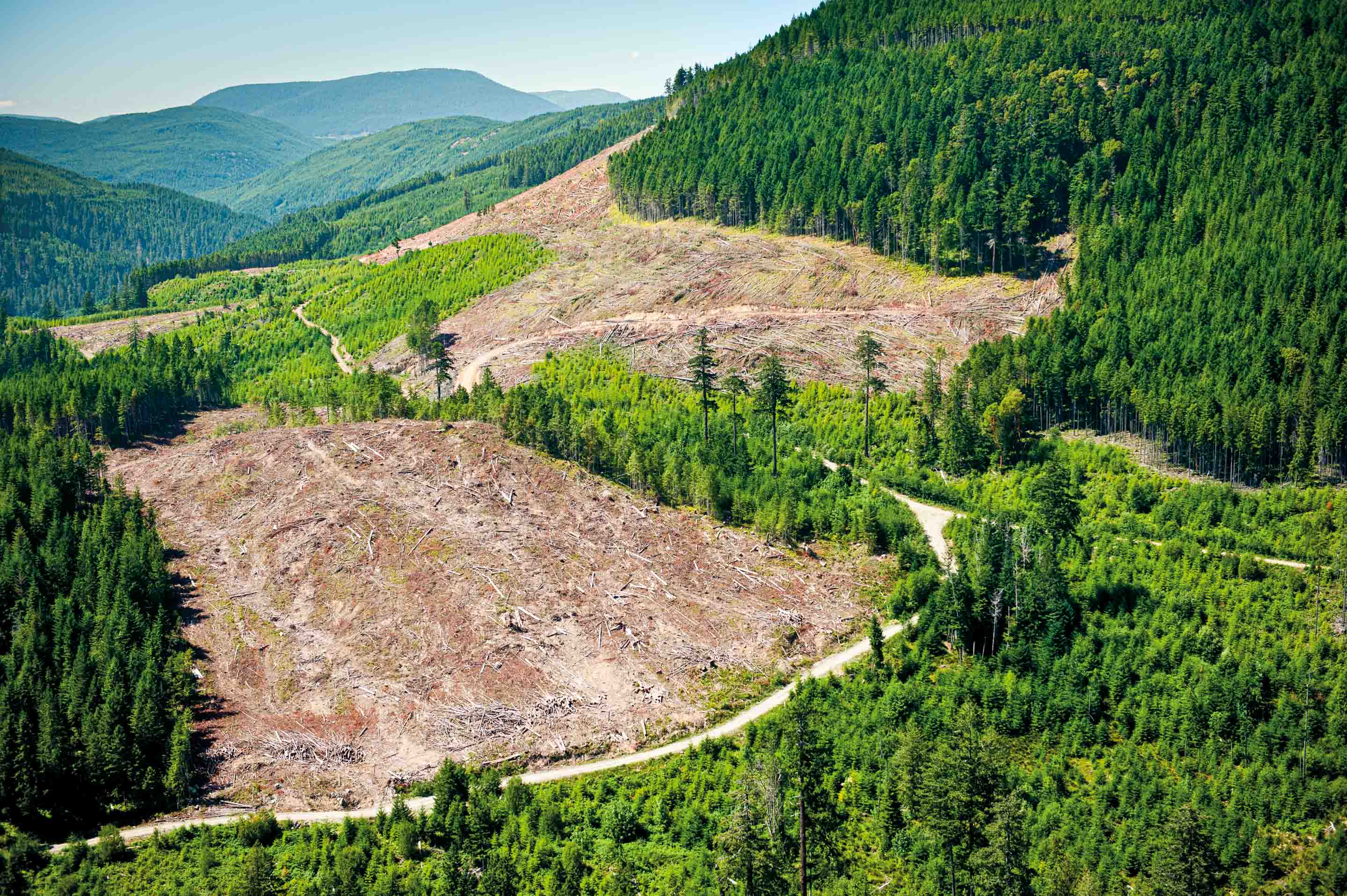
British Columbia still allows large-scale logging of 600 to 1,800-year-old giant trees in virgin forests. Some of this wood also ends up here.
But what happens to all that wood? Of course, we use wood as a building material for furniture and buildings, and we process it into paper, packaging materials, and other everyday products. But a full 50% of wood is simply burned for heat—even though only 6% of households in Germany primarily heat with wood. However, wood is becoming increasingly popular as a heating fuel: wood consumption in Germany has doubled since 1990.
Is wood really that sustainable and climate-friendly?
Many people certainly mean well, as wood is considered sustainable and climate-friendly. But if you take a closer look, it's unfortunately not that simple, because heating with wood also releasesCO2 and large amounts of particulate matter.3 Wood-burning stoves – especially older models – are also not particularly energy-efficient. For real climate and forest protection, energy conservation, renewable electricity, and efficient, modern heating systems such as heat pumps are the much better choice.
Conscious consumption: Small changes, big impact
A large part of global deforestation is directly linked to our consumer behavior. The raw material for many wood and paper products that we use every day comes from Scandinavia or theAmazon region —the very places that we so urgently need to protect. However, this also means that we have considerable leverage for change in this area. If you want to protect forests in your everyday life, you can make a big difference when shopping. This may take a little effort at first, but if you give it some time, these changes will quickly become established habits.
Hidden tropical wood: Tropical wood is often hidden in wood and paper products where you would not necessarily expect to find it, sometimes even without any real declaration on the packaging. These include charcoal andbriquettes (sustainable alternatives would be coconut or olive pit briquettes), furniture, musical instruments,tool handles, breakfast boards, toys, and evenbooks. Avoid hidden tropical wood by choosing domestic woods and looking for certified sustainable or recycled products.
Avoiding single-use products: Do you really always need paper towels, or can surfaces also be cleaned with a damp cloth? The same applies to wet wipes of any kind.
Reduce paper: Not every email needs to be printed out—there are good digital alternatives for both the office and home.
If you need paper, choose recycled paper: When you need paper, buy recycled paper whenever possible—for the office and bathroom.
The good jute: Yes, the jute bag really does make a difference—if you use it regularly instead of buying paper bags. Maybe that's an idea for your next trip to the bakery?
Pre-loved instead of new: It doesn't always have to be a new product. Books, furniture, electrical appliances, clothing—many things can also be bought second-hand in very good quality. And you save money at the same time!
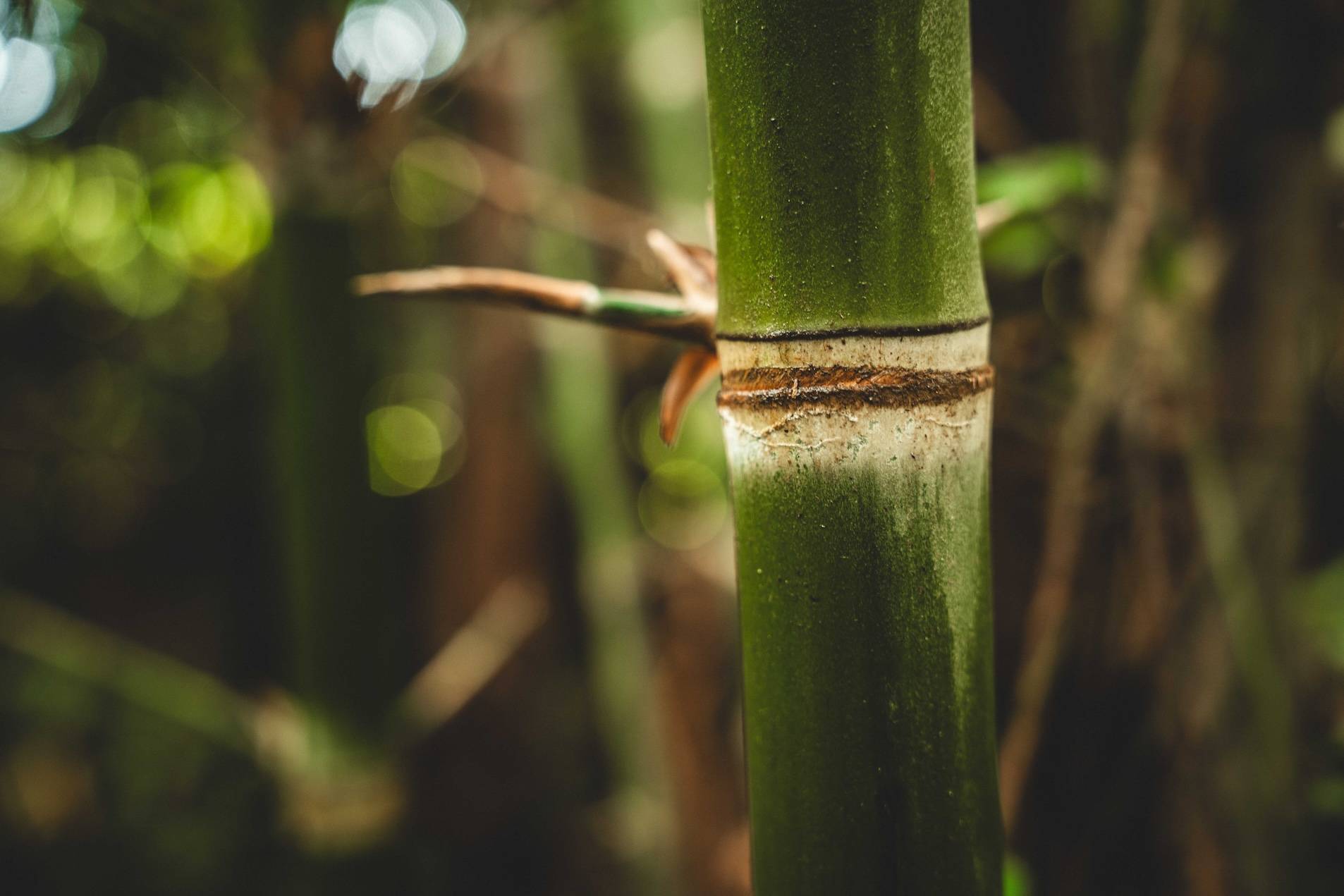
Bamboo can be a very sustainable material because it grows quickly and conserves resources. However, processing, chemicals, and transportation are also crucial factors here, not just the material itself.
Palm oil, cocoa, and more: critically examining ingredients
Almost 90% of global deforestation is due to the expansion of agriculture, for example soy cultivation or palm oil production.10 Palm oil is found in numerous foods—such as chocolate, frozen pizza, and spreads—as well as in many cosmetics and cleaning products. Over 70 million tons of the oil are produced annually, most of it in Southeast Asia. This makes palm oil the most sought-after vegetable oil on the world market. Sustainable alternatives are hard to find. Other oil plants would require far more land to produce the same yield.11 Although we often read about "certified palm oil," unfortunately, seals such as the RSPO seal cannot be trusted without reservation.12
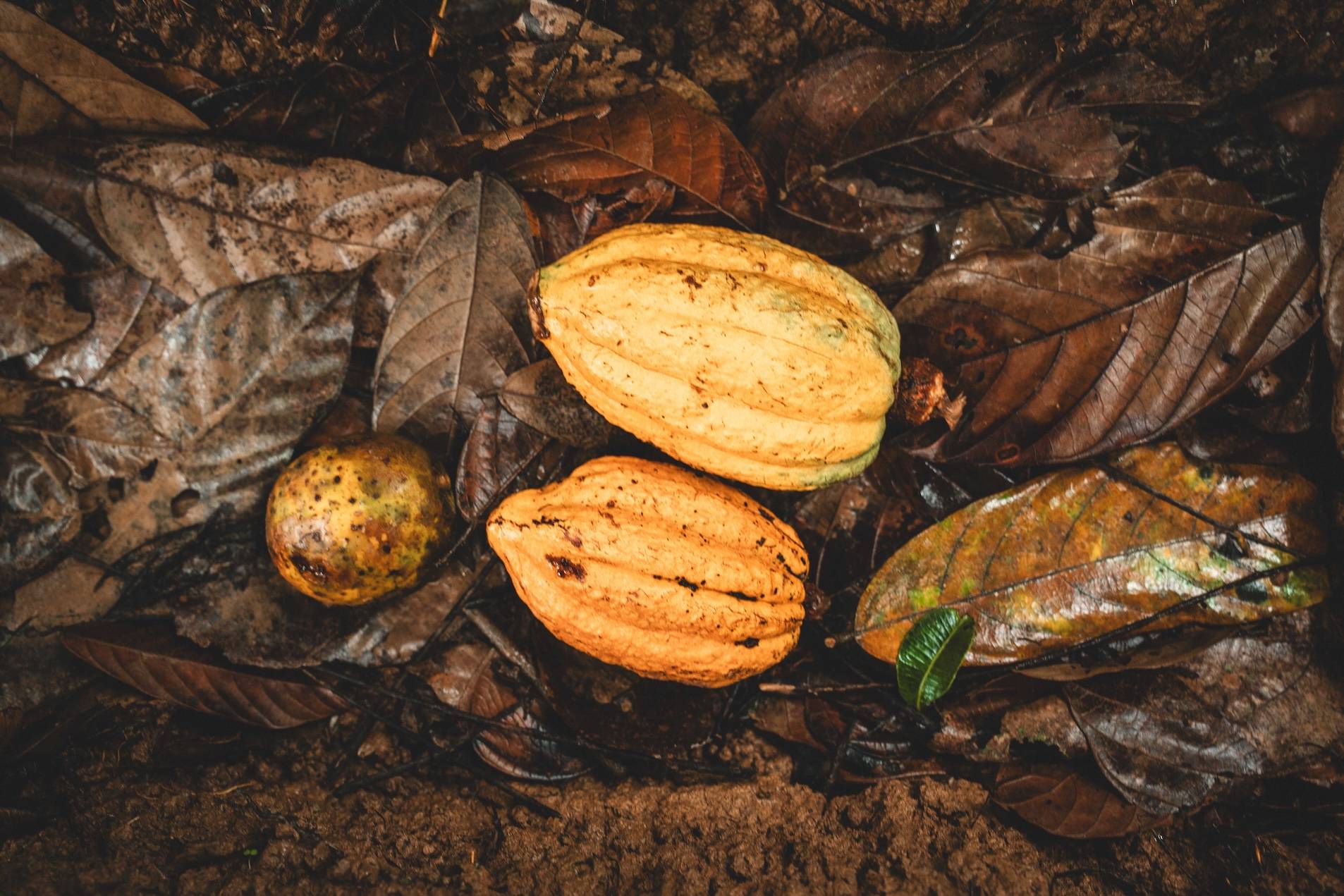
Cocoa is one of those products where you should definitely pay attention to its origin and whether it is Fair Trade certified.
When shopping, it is therefore well worth taking a second look at the list of ingredients and the origin of the products. This can also make a big difference with products containing cocoa, rubber, or coffee. Shopping apps such as CodeCheck help you make purchasing decisions and find brands that are transparent about their supply chains.
Sustainable nutrition protects forests
Our diet has a significant impact on global deforestation. If you want to protect forests, you can make a big difference by eating consciously.
Just like palm oil, soy also has a bad reputation—but the situation is a little different here. It is not the consumption of tofu and soy milk that is responsible for the deforestation of ever-larger swaths of the rainforest. Due to its high protein content and the relatively low cost of cultivation, the majority of soy—about 75%—is processed into animal feed for livestock and aquaculture.13 The soybeans used to make products suitable for human consumption come primarily from Europe.14 It is therefore high meat consumption that is driving deforestation—not only for feed crop cultivation but also for grazing livestock.
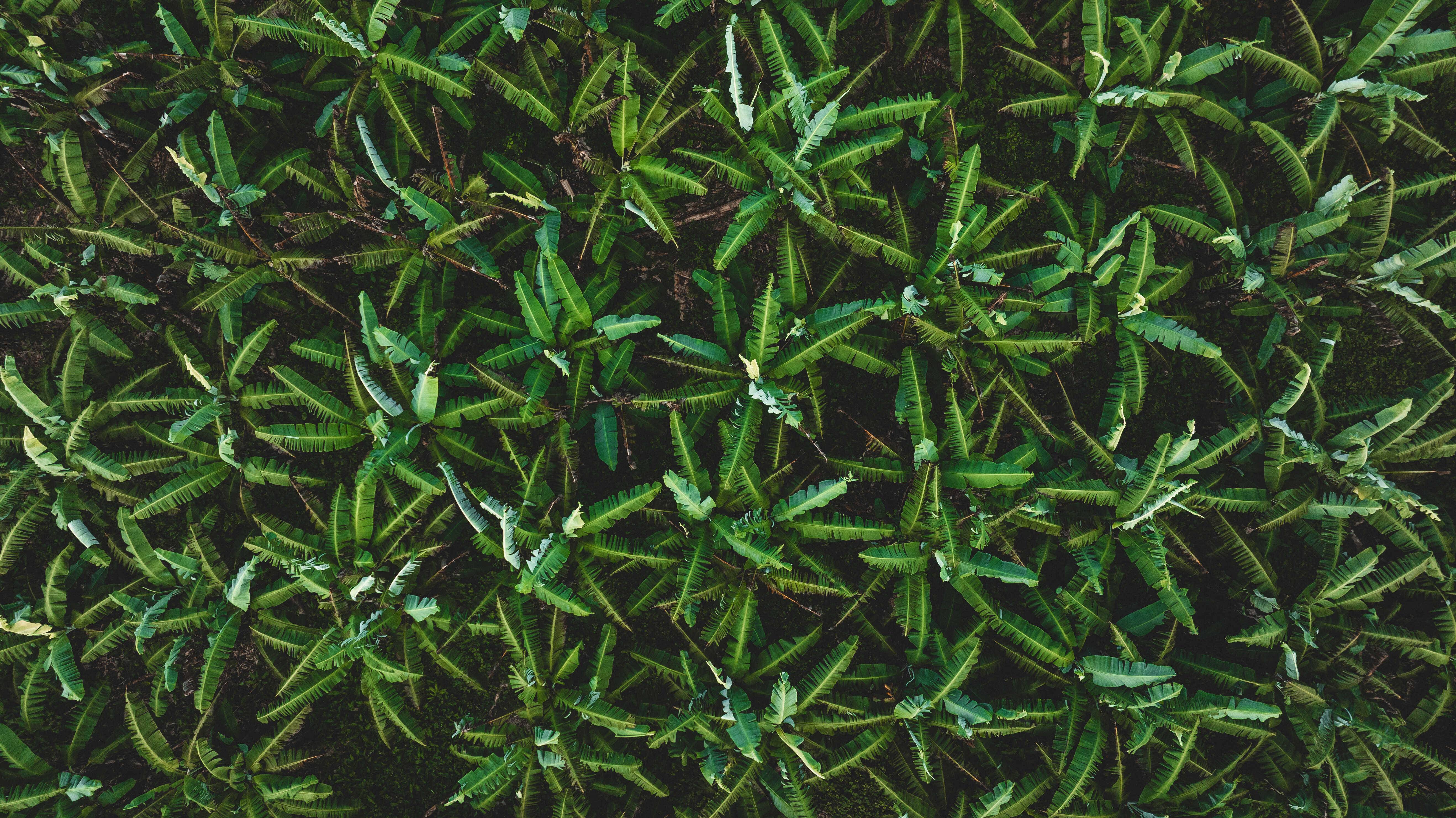
Plantations such as this banana plantation are the opposite of a healthy rainforest.
A predominantly plant-based, regional, and seasonal diet reduces land use and counteracts the destruction of forests. Less meat, more vegetables, legumes, and grains—this not only protects forests, but also the climate and health.
Sharing knowledge and raising awareness
Forest conservation thrives on awareness. The more people know about the importance of forests and the consequences of deforestation, the more people will get involved in protecting these ecosystems. The movement will grow, and social pressure on politics and business will increase. Sharing articles, social media posts, or projects from nature conservation organizations such as Wohlleben's Forest Academy, BUND, or even us raises awareness, as do everyday conversations with family, friends, or colleagues.
Conclusion: Every contribution counts for vibrant forests
Protecting forests does not mean being perfect, but rather making conscious decisions. Whether through sustainable consumption, a forest-friendly diet, or supporting nature conservation organizations—every step counts. Together, we can help ensure that forests are preserved as a basis of life for future generations.
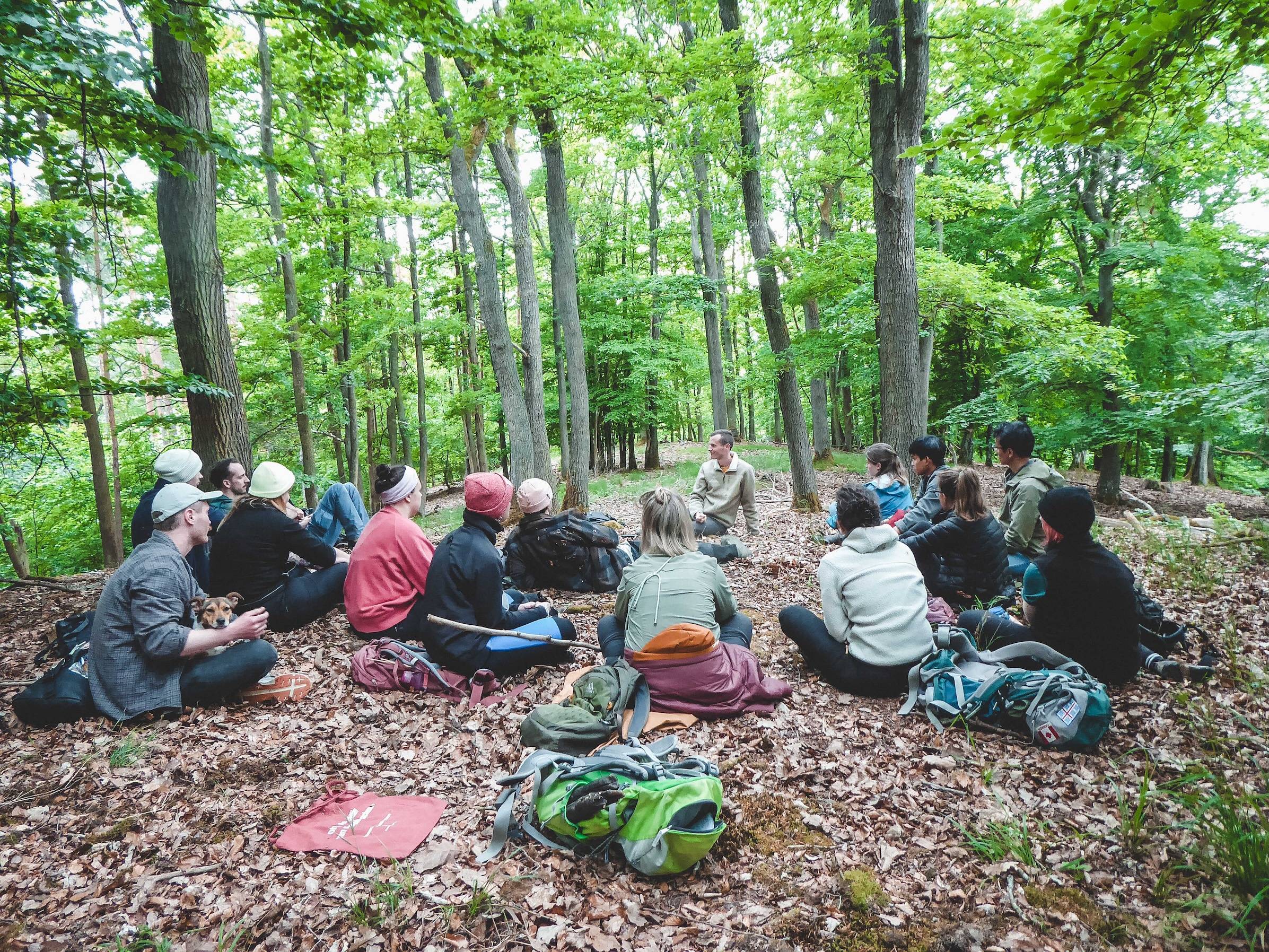
Get out into nature, experience firsthand why we need to protect forests worldwide—and share your experiences!
1 www.youtube.com/watch?v=B1RGDZOJoXo (Wohlleben's Forest Academy: Simple ways to protect forests with a noticeable impact)
2 https://www.umweltbundesamt.de/system/files/medien/publikation/long/4426.pdf
3 https://www.umweltbundesamt.de/themen/heizen-holz
4 www.papierindustrie.de/fileadmin/0002-PAPIERINDUSTRIE/99_Publikationen/Transformation-Papierindustrie-Studie-Web.pdf
5 https://www.wwf.ch/de/wir-grillieren-den-tropenwald
6 https://www.regenwald-schuetzen.org/handeln/tropenholz-vermeiden
7 https://www.wwf.ch/de/unsere-ziele/holz-und-papier
8 https://www.regenwald-schuetzen.org/handeln/tropenholz-vermeiden/fsc-siegel-und-tropenholz
9 https://search.fsc.org/de/
10 https://www.bmz.de/de/themen/biodiversitaet/wald
11 https://www.wwf.de/themen-projekte/landwirtschaft/produkte-aus-der-landwirtschaft/palmoel/palmoel-alternative-hefeoel-unter-der-lupe
12 https://www.swr.de/leben/verbraucher/ard-marktcheck/rspo-rainforest-alliance-fairtrade-wie-fair-und-nachhaltig-sind-siegel-100.html
13 https://www.chathamhouse.org/sites/default/files/publications/research/2016-01-28-agricultural-commodities-brack-glover-wellesley.pdf
14 https://www.peta.de/themen/soja-regenwald/
15 https://www.umweltbundesamt.de/umwelttipps-fuer-den-alltag/essen-trinken/klima-umweltfreundliche-ernaehrung#gewusst-wie
News

Drones for transparent wilderness protection - Peru Expedition June 2021
For us, transparently protecting the forest means: for you, the exact square meter ...Drones for transparent wilderness protection - Peru Expedition June 2021
For us, transparently protecting the forest means: for you, the exact square meter ...Drones for transparent wilderness protection - Peru Expedition June 2021
For us, transparently protecting the forest means: for you, the exact square meter ...