The Less Waste Club is committed to protecting endangered wildlife

For the preservation of the most species-rich forests
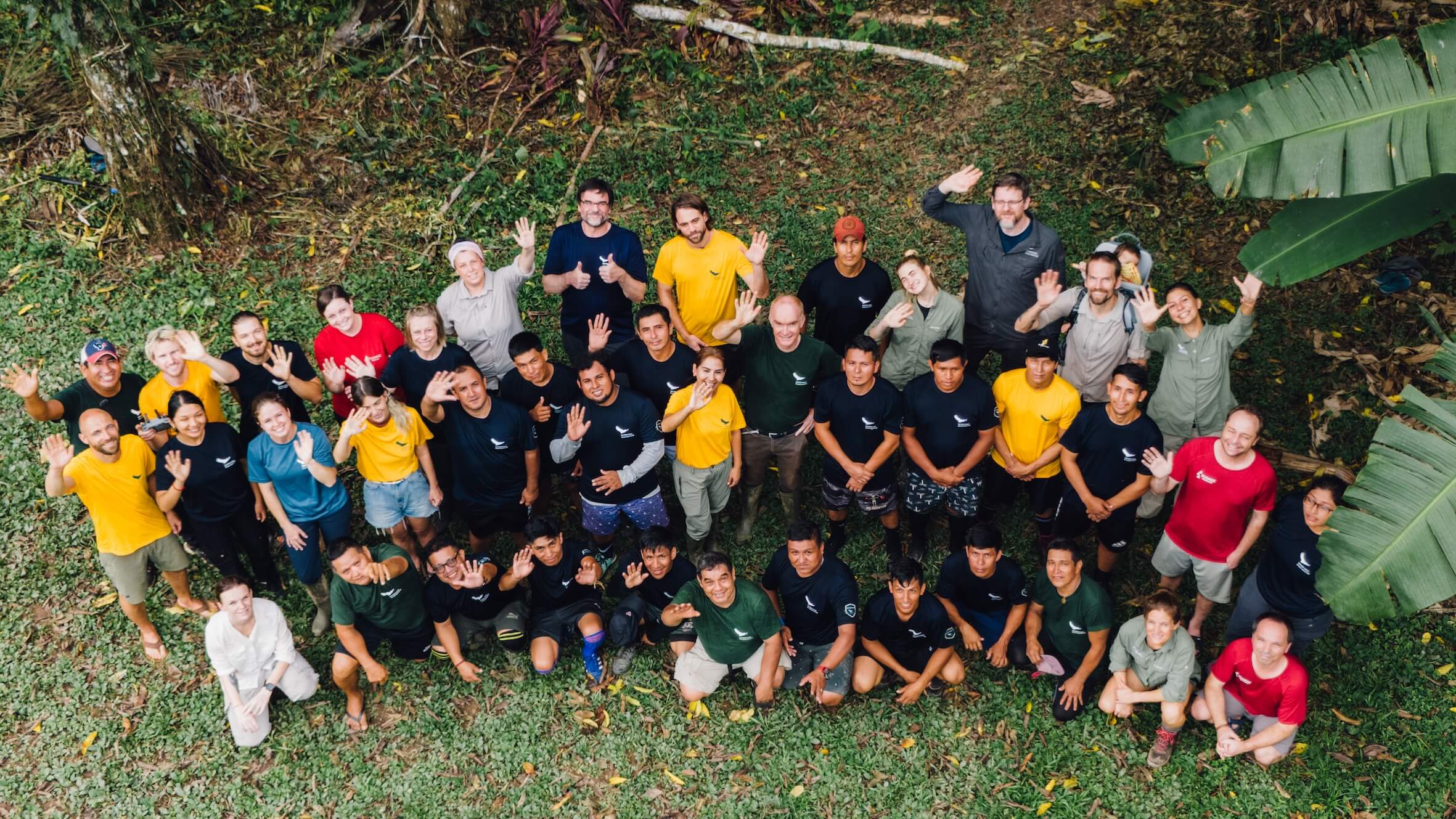
Since 2021, the Less Waste Club has been working together with the Wilderness International Foundation on the mission to protect acutely threatened and ecologically valuable wilderness areas in Peru. With the Less Waste Club rainforest in the Madre de Dios region of Peru, valuable rainforest and with it the habitat for a huge diversity of species is now being protected and a stable climate promoted.
How many square meters of forest can we protect together?
The Less Waste Club creates and sells vegan and resource-saving care products that do not use plastic packaging. In addition to its more sustainable product alternatives, the Less Waste Club actively takes responsibility, works with Wilderness International to protect the environment - and motivates its customers to get involved: With every starter or refill set sold, 1 m² of old-growth forest in Peru is protected forever.
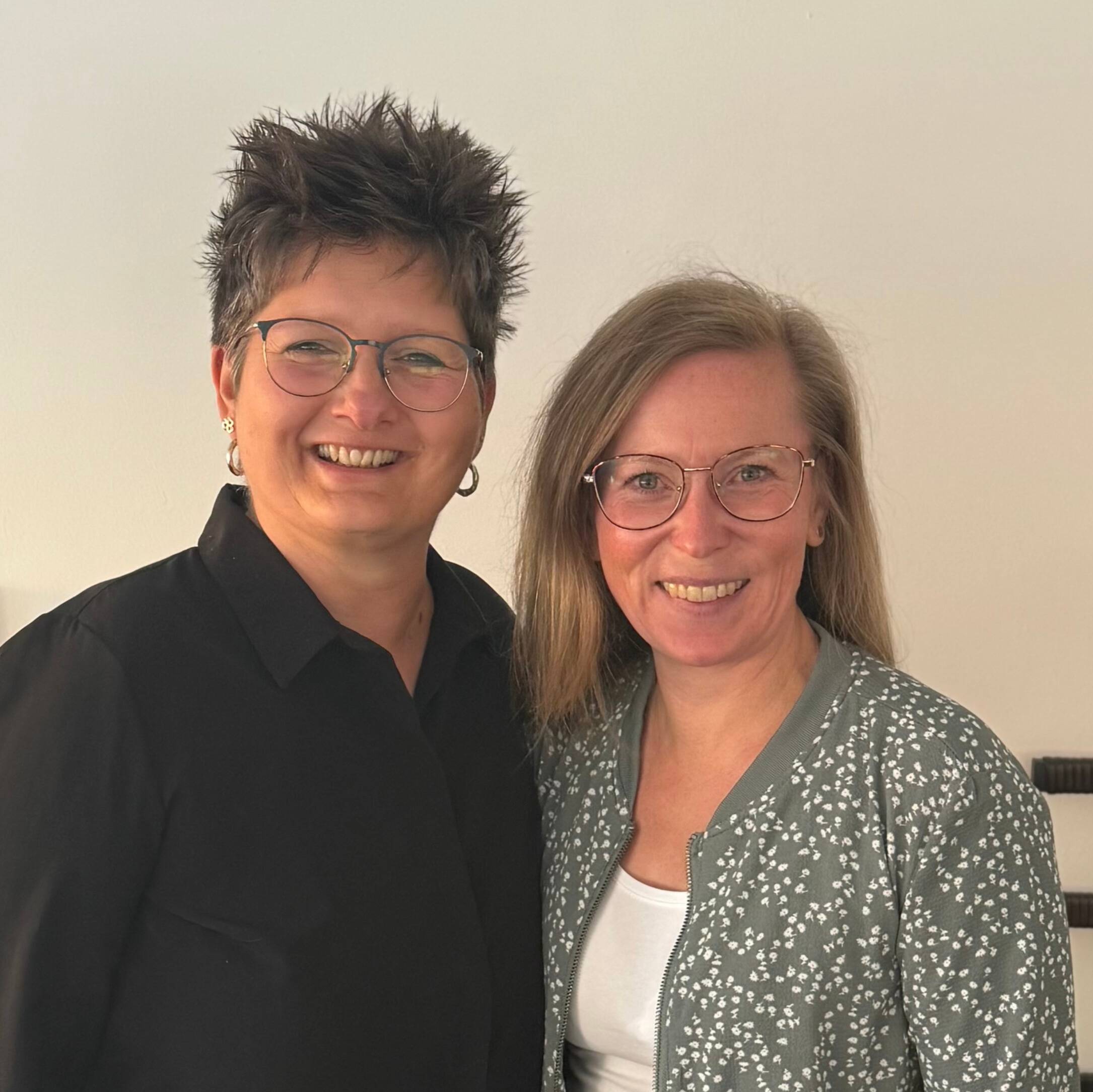
In 2021, the founders of the Less Waste Club were looking for an organization that focuses on sustainability and traceable transparency - which is how they came across Wilderness International. Since then, the club has protected over 10,000 m² of Peruvian rainforest. When we took over the Less Waste Club in October 2024, it quickly became clear to us that we wanted to continue protecting wilderness with Wilderness International, as we also attach great importance to sustainability and the protection of nature.
Team
Less Waste GmbH
Impressions from the rainforest
Impressions from the rainforest
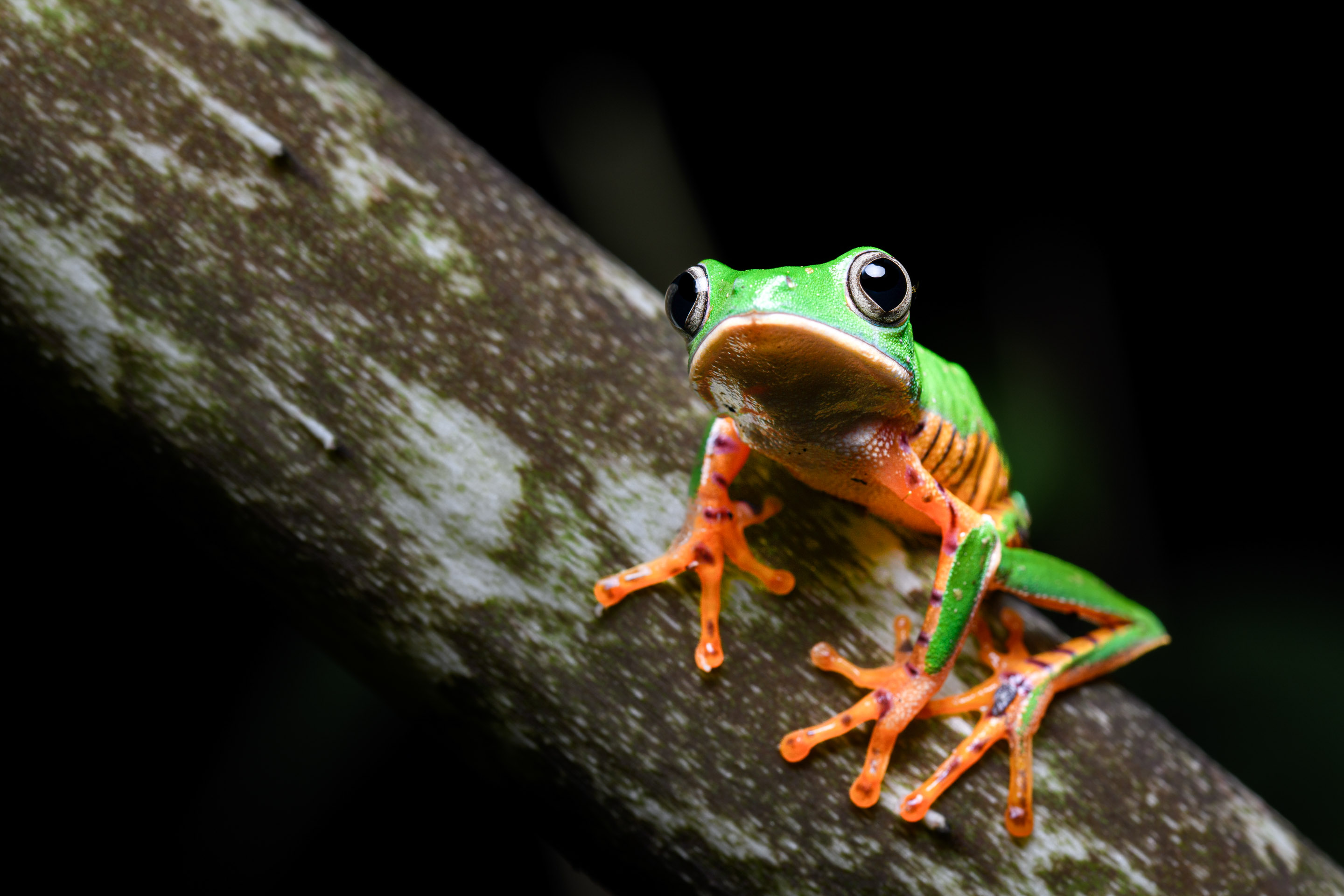
The rainforest area protected by the Less Waste Club is located in the Madre de Dios region of Peru. There are 10 times more reptiles and amphibians there than in Germany, around 10% of all bird species in the world can be observed here and around 400 tree species can be found on one hectare of forest, more than in the whole of Europe north of the Alps.
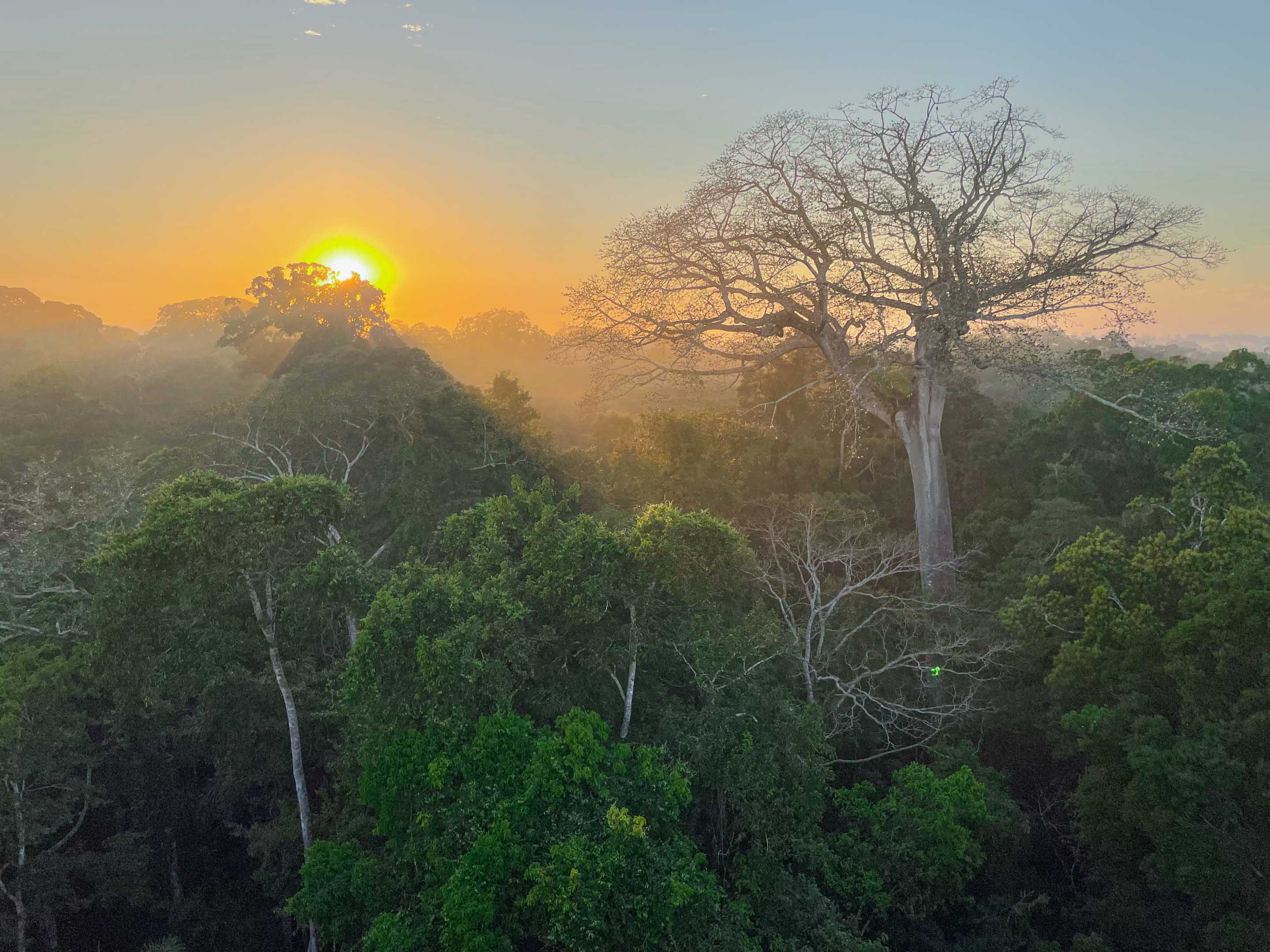
When the sun rises over the rainforest along the Tambopata River, the forest begins to breathe.
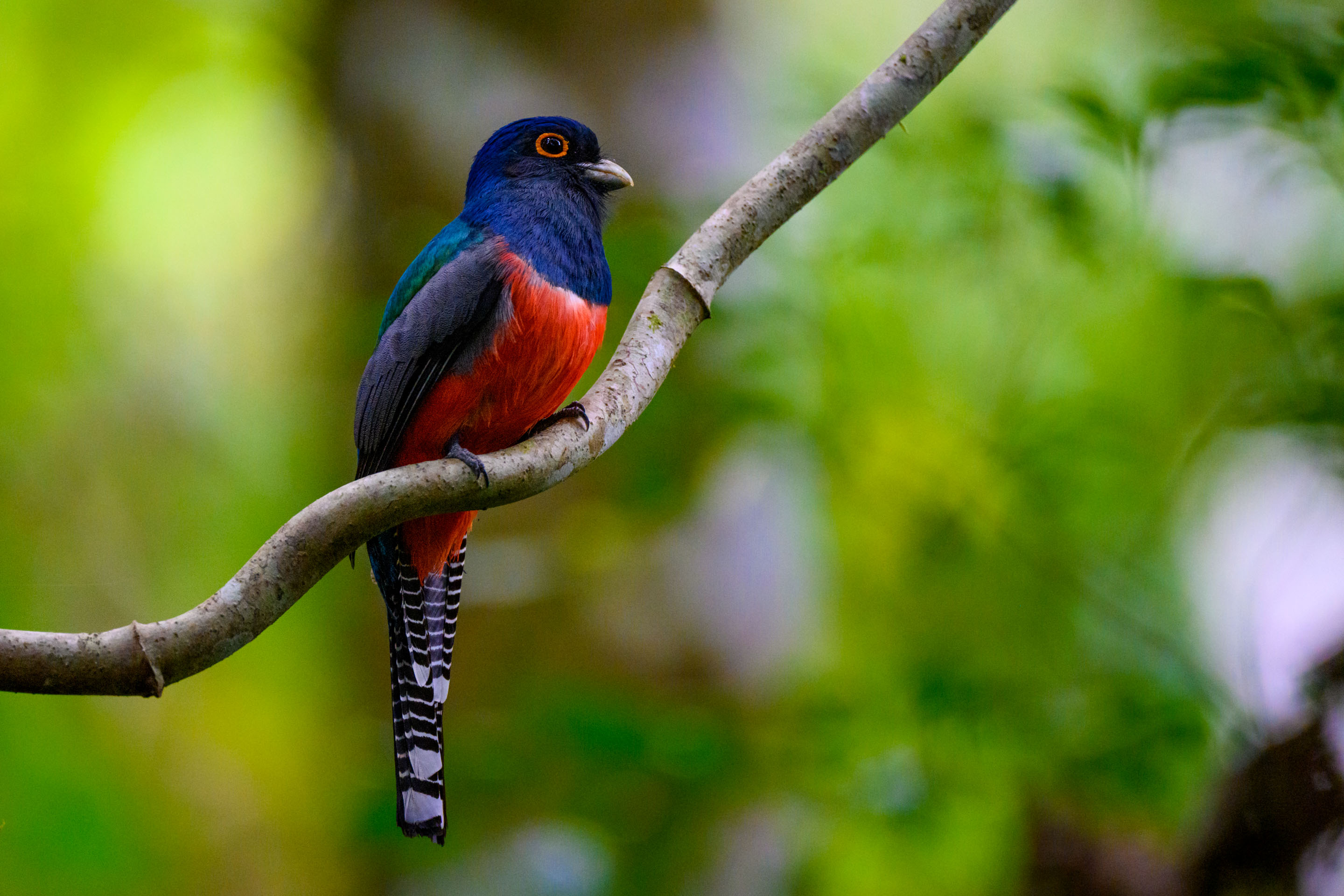
The rainforest along the Tambopata River is home to 10% of the world's bird species - a veritable El Dorado of biodiversity.
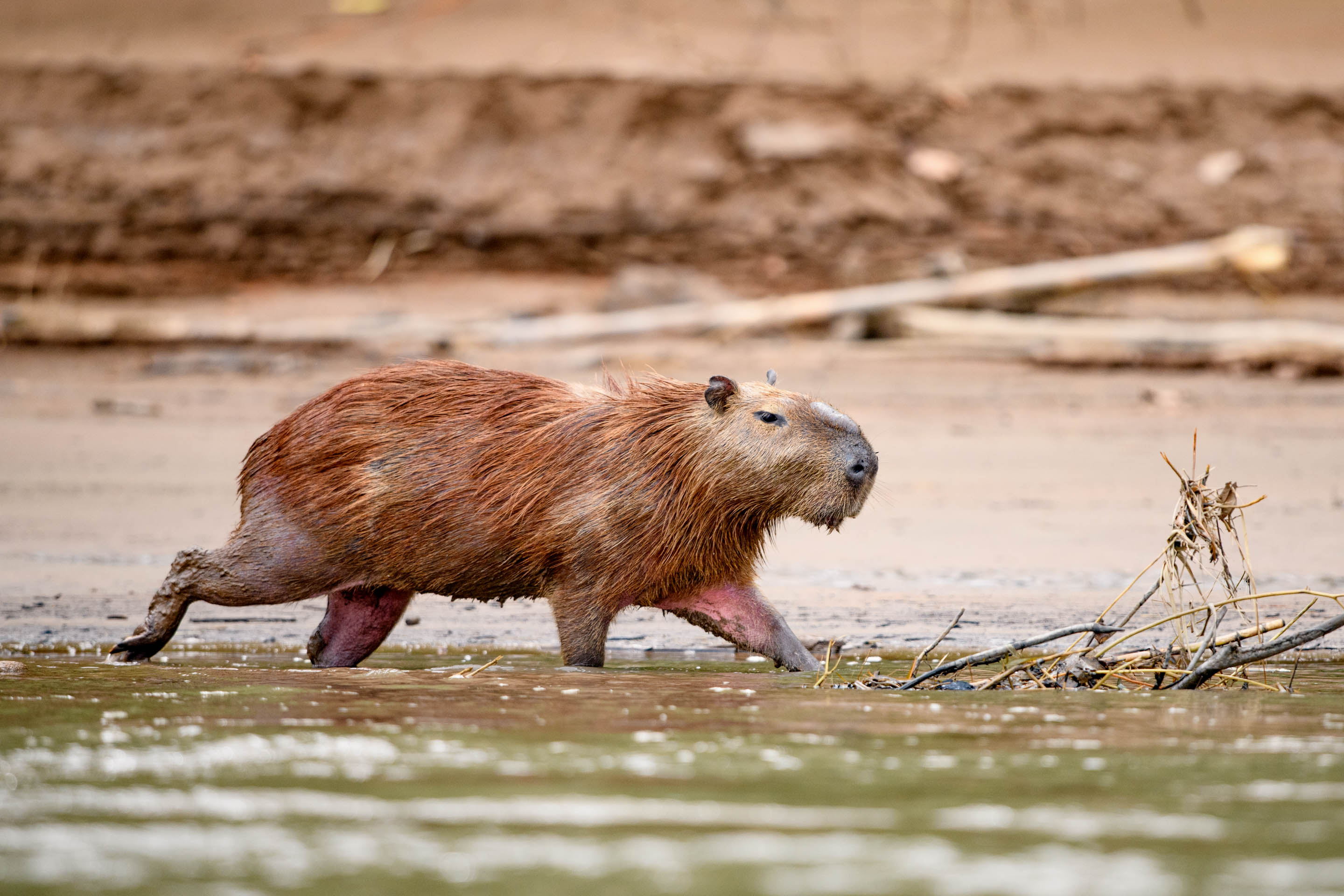
Weighing up to 75 kg, capybaras are the largest rodents in the world.
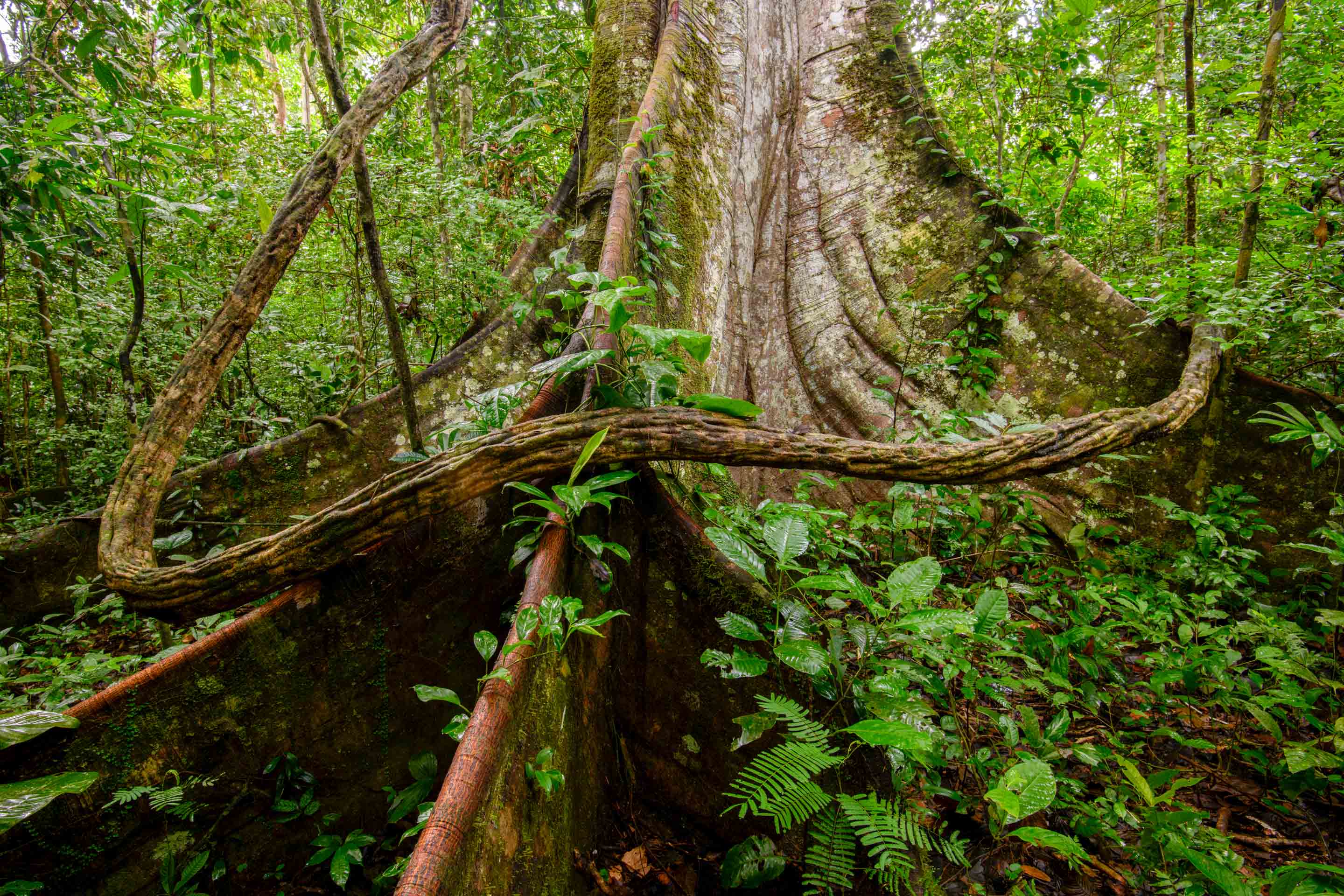
Imposing buttress roots provide stability for the jungle's giant trees.
Transparency
Why old-growth forest protection with WI?
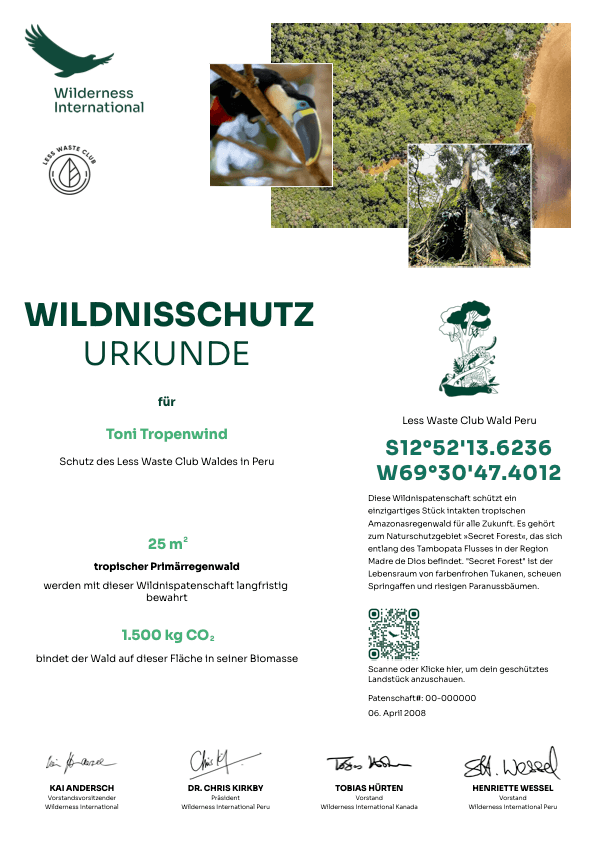
What particularly impressed the Less Waste Club about Wilderness International was the transparent and specific use of the donations: €1 donation protects 1m² of old-growth forest - forever. Donors receive a certificate with the geo-coordinates and an aerial photo of the protected forest area, as well as a tax-deductible donation receipt.
You too can protect a piece of Less Waste Club forest
Let's continue on this path together and preserve even more unique wilderness in the long term:
Your wilderness protection certificate
You will receive a personalized certificate of the piece of wilderness you protected immediately after your donation.

Protect the rainforest together with the Less Waste Club
About Wilderness International
The foundation, which is based in Peru, Canada and Germany, purchases legally secure wilderness areas and protects them for the future. The purchases are refinanced through donations, which ensure the long-term protection of the areas, supports environmental education projects, and research into CO2 storage and biodiversity.