
Protect the Peel!
Protection of the Peel River Watershed in British Columbia
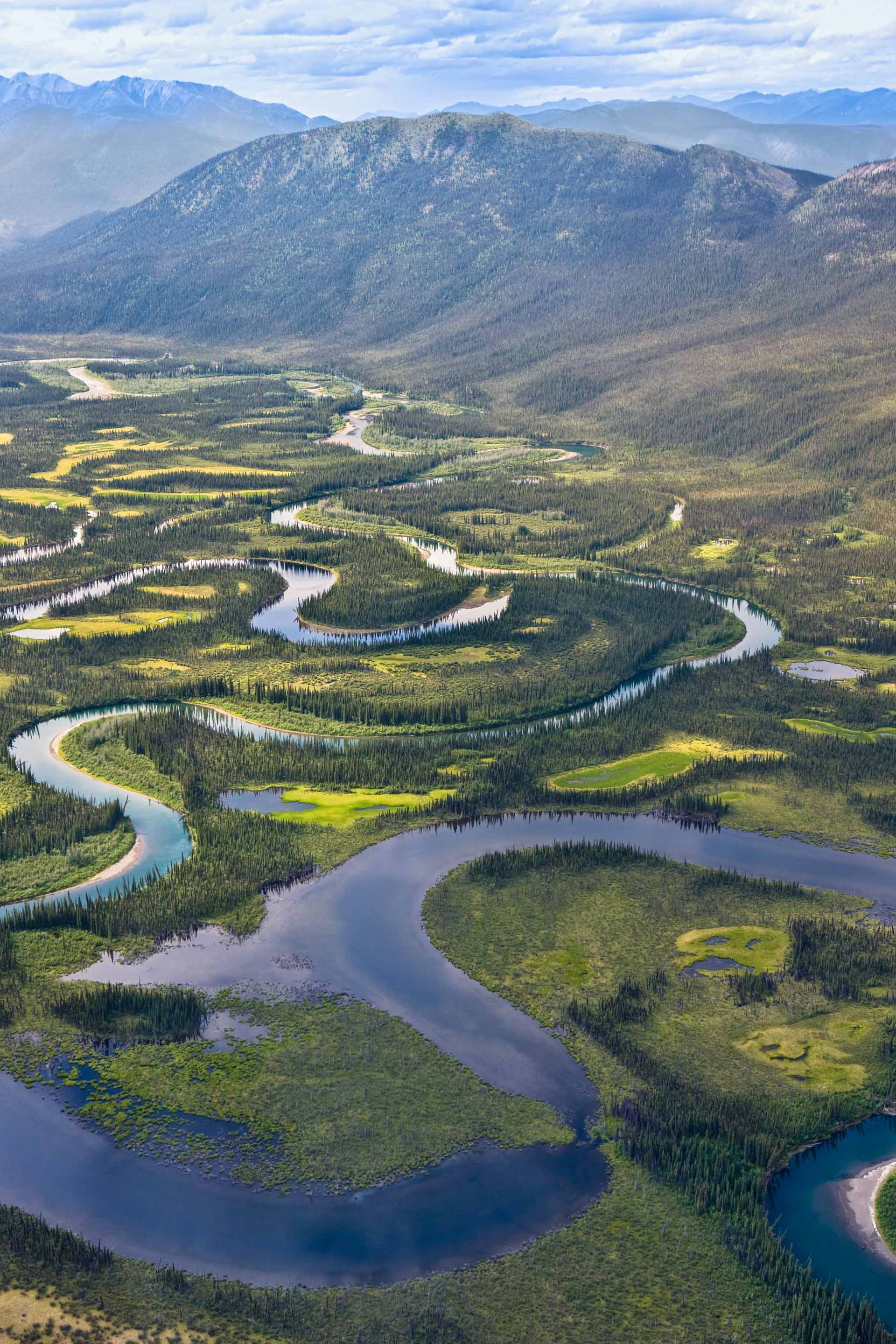
The Last True wilderness
The Peel River, winding through the heart of the Canadian Arctic, is not only a vital lifeline for the region's ecosystem but also the ancestral home of the Na-Cho Nyäk Dun, Tr’ondёk Hwёch’in, Teetl'it Gwich’in, and Vuntut Gwitchin First Nation. The Peel Watershed is made up of three winding rivers that are surrounded by towering mountains, sweeping valleys and dense boreal forest. Much of this area was free from glaciation for millions of years, meaning that many of the plant species found here are biologically unique. The Peel is also home to rare grizzly bears, wolves, wolverines, moose, and the largest land mammal herd in the world, the caribou.
For thousands of years, the Teetl'it Gwich’in have migrated through the Peel Watershed with the caribou, living off the berries and shrubs, the animals, and the crystal-clear water. To this day, this region remains a living history book of the Teetl'it Gwich’in, the origin of their ancestors, their way of life, culture, and traditions—it is their identity.
In 2007 and 2008, the Teetl'it Gwich'in and Wilderness International organized joint expeditions to the Peel River Watershed and to Germany. These trips were instrumental in raising awareness of the conflict between the land use plan favoured by First Nations and the thousands of mining claims in the region. At that time, the legal case had not yet gone to court, but a commission had been established to resolve the conflict. During these early expeditions, young people visited their traditional lands together with older members of the community, and cross-cultural exchanges also took place in Germany. The Teetl'it Gwich'in shared their culture and way of life and drew international attention to the protection of their homeland. In Germany, they also visited an open-cast coal mine and the Saxon Switzerland National Park, which was a desolate, treeless landscape only 150 years ago.
It makes me incredibly sad to imagine that our home in Canada could one day be characterized by strip mining, roads and eroded mountains. Simply awful - my sadness is hard to put into words!
Zoe Hoe
Student of the Teetl'it Gwich'in Nation during the 2007 exchange to Germany
Media
Radio interviews, newspaper articles, and television media drew worldwide attention to the topic. The award-winning documentary Land of the Painted Mountains features one of our first expeditions into the Peel Watershed. Here you can find a playlist of all the videos showcasing our collaborative work to protect the Peel River Watershed, including Suaangan - Our Strength, produced by APTN TV.
Land of the Painted Mountains
Documentary film about the expedition of young people from Germany together with Canadian First Nations, organized by the Wilderness International Foundation, into the Peel River Watershed.
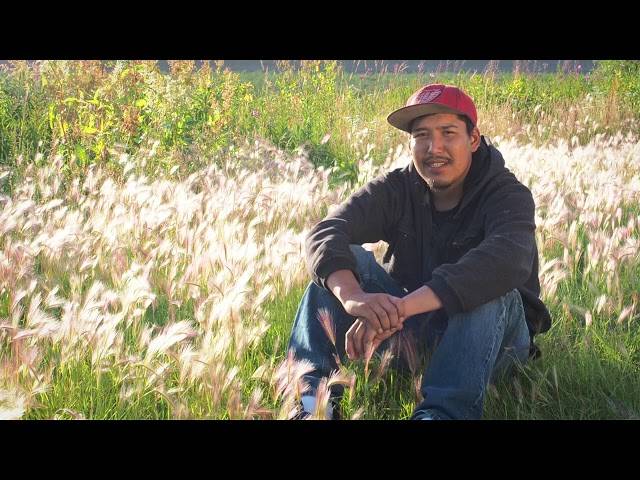
Daniel's testimony
Our longtime supporter and youth leader Daniel Robert shares the highlights of his second trip down the Snake River and makes an interesting comment in comparison to German landscapes.
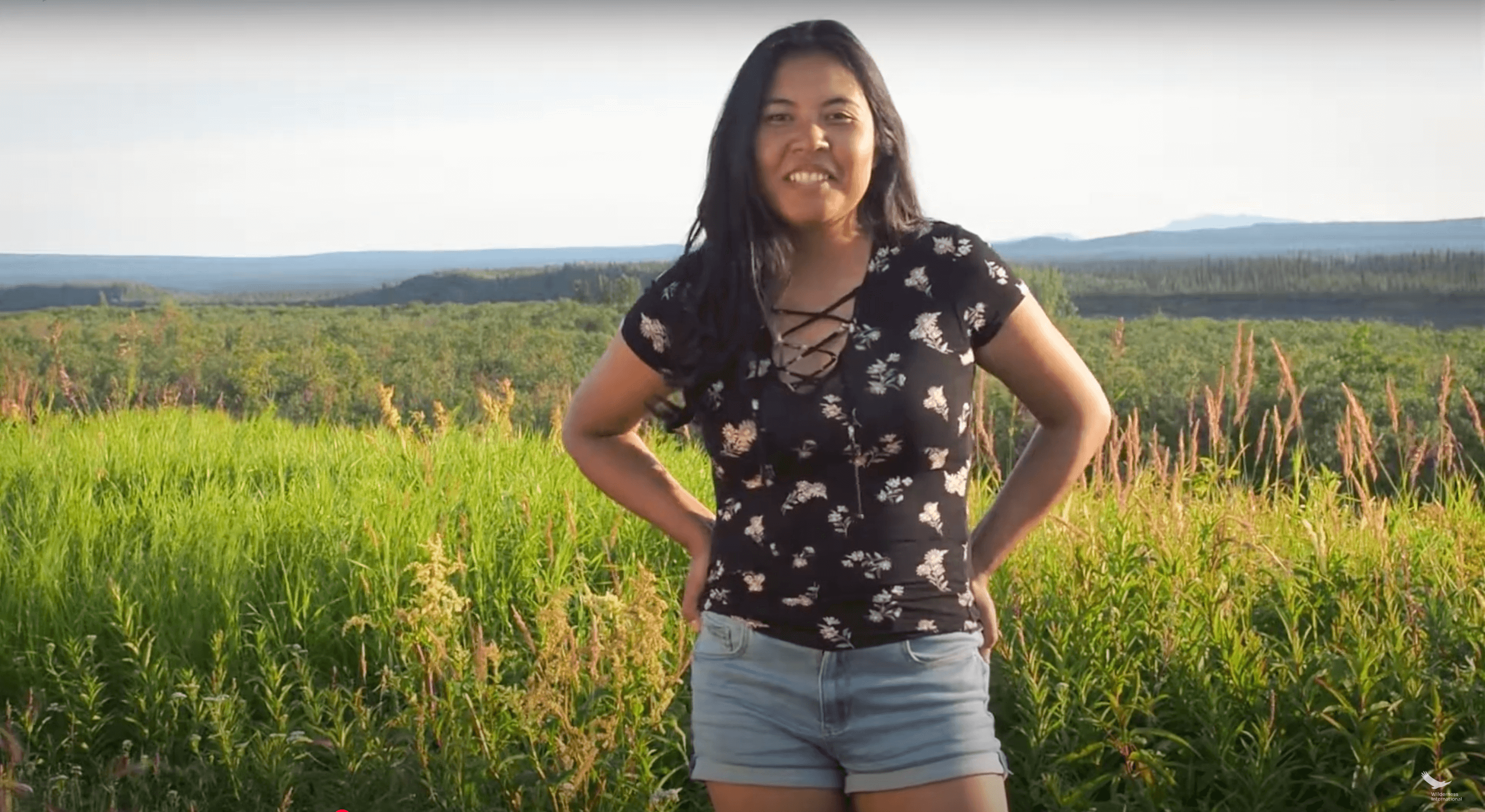
Rayna's testimonial
For Rayna Vittrekwa, the Peel Watershed left a very special impression, challenged her own limits and now holds a special place in her heart.
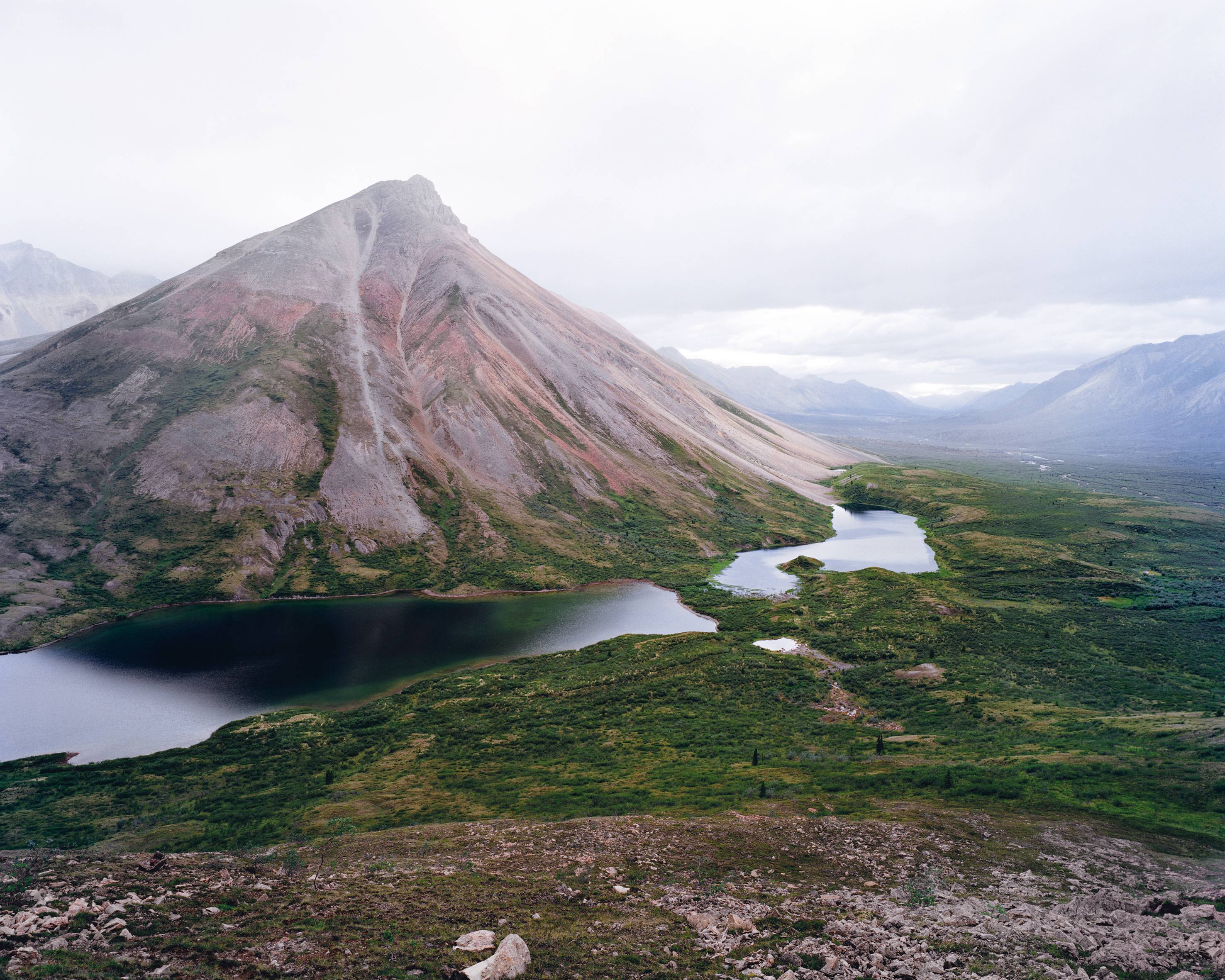
Return to the Peel
In 2015, after learning that the case would be taken to the Supreme Court of Canada, we decided to revive the project. This led to another expedition to the Peel in 2017, reinforcing the ongoing need for global support in the fight for land and Indigenous rights. This new phase of the project coincided with the escalation of the legal dispute. This re-emphasized the importance of international advocacy and community involvement in the face of industrial threats to the land.
The expeditions brought together Gwich'in and German youth, elders, scientists and conservationists - all with the same goal: to raise awareness for the protection of the Peel. They had the opportunity to reconnect with the land and learn what was at stake by discovering the beauty and cultural significance of the land. Several scientific studies were also carried out and four papers were published on the properties of medicinal plants, further highlighting the ecological importance of the watershed.
Expedition photo gallery
Expedition photo gallery

We set off on an exciting expedition to the Western Arctic to raise awareness for the "Protect the Peel" movement.

Equipped with rafts, our team navigates the Snake River - one of the tributaries leading into the Peel Watershed.

Navigation is a must when wilderness in the wilderness .

The views in the Western Arctic are simply breathtaking.

We were even treated to the sight of incredible wildlife, like this lounging grizzly bear!
A historic victory!
In 2017, the great decision came: 80% of the Peel River watershed will be permanently protected! That's 55,858 km² of ecologically and culturally significant mountain wilderness that will remain untouched by industry forever.
This case also represents a groundbreaking legal milestone! It is the first time a First Nation land use plan has been vigorously defended at this level in the Canadian legal system. It's not just a victory - it's a historic turning point that sets a strong precedent for future decisions and makes its impact even more monumental!
We would like to thank all participants who were involved in this project:
First Nation of Na-Cho Nyäk Dun
Teetl'it Gwich'in
Tr'ondёk Hwёch'in
Vuntut Gwitchin First Nation
Canada Parks and Wilderness Society (CPAWS)
Yukon Conservation Society
Public supporters
More about the campaign on our blog

Why am I here?
The Peel River Watershed is one of the last untouched wilderness areas on the planet. It is home to unique wildlife and plant life, and provides the "material and spiritual sustenance" for several indigenous tribes so that they "not only survive, but thrive".
We will be heard!
#protectpeel The Peel Watershed Wilderness court case is headed to the Supreme Court of Canada. This decision marks a milestone in the decades-long fight to protect this Arctic wilderness. But why does the Peel Watershed Wilderness matter to us a
Let's go - to save the Peel Watershed!
On July 9, the time has come - we are going on a conservation expedition in Canada's Western Arctic! As always, we will share the experiences and impressions of our adventure here with those of you who have stayed at home. A team from Germany will join young people and elders from the Gwich'in First Nation for three weeks.